
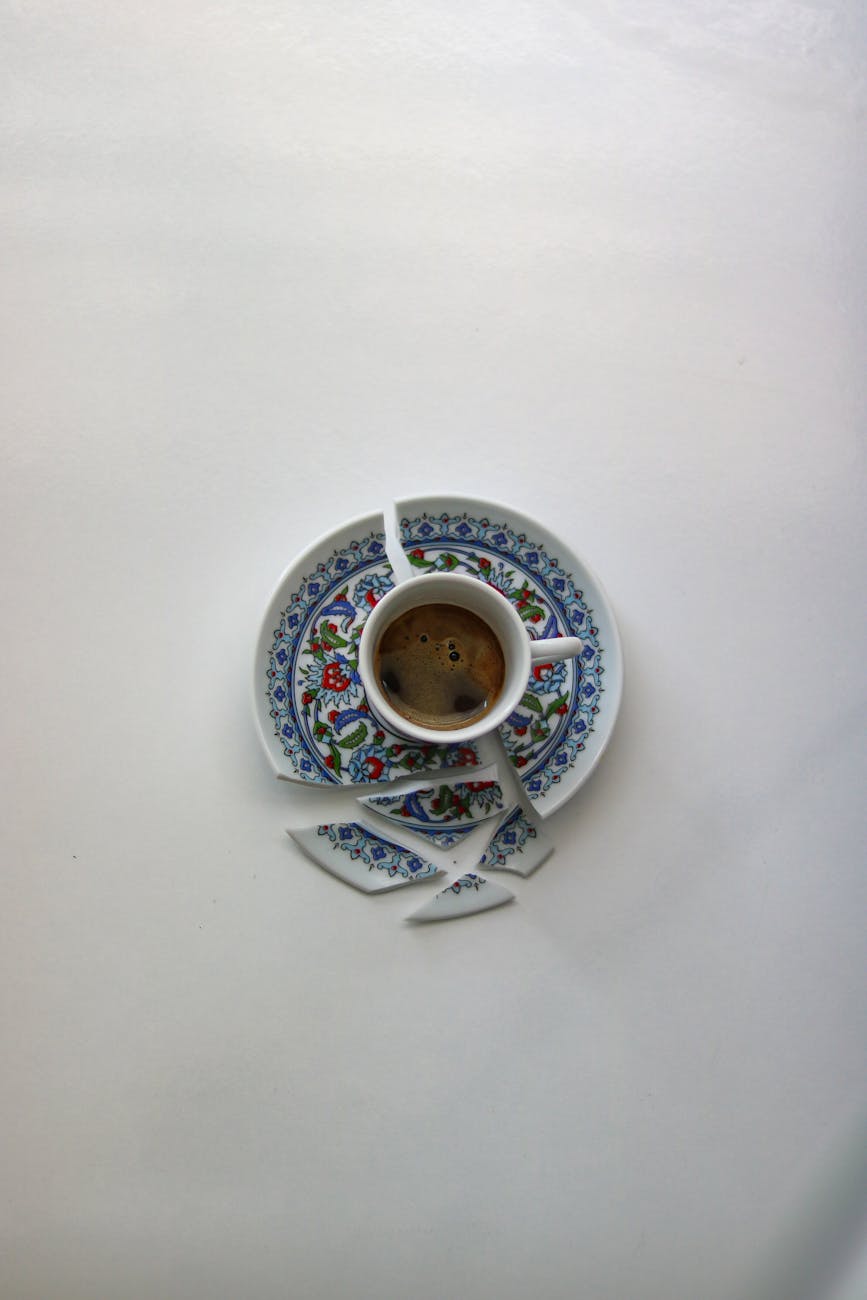
Healing after narcissistic abuse involves rebuilding your sense of self, restoring boundaries, and learning to trust again. Recovery is not about returning to who you were, but developing the strength, awareness, and resilience to move forward safely.
We do know that narcissistic abuse is a pattern of manipulation and emotional harm.
We commonly call them Narcissists and people often mean narcissistic personality disorder. I do know that the diagnosable disorder is quite rare, and over the years of working in this area of therapy, I have come to realise that most often the narcissist is not a personality disorder as such, but a learned behaviour, often in childhood and teenage years. I want to state here that if you happen to be on the receiving end of such abuse, you will not care whether it is a personality disorder or a learned behaviour. But it does give us better clues on how to combat the constant ill-treatment and rebuild a life that has been abused.
Being subjected to this form of abuse, be it an intimate partner, family member or a work colleague, can be completely debilitating to the point that you are not sure who you are anymore, and it leaves sometimes very complex wounds.
Recovery from that kind of abuse is never linear, and there will be bumps in the road. It is a process that involves rebuilding self-esteem and identity, learning to trust and redefining boundaries and relationships.
I dislike the word healing in this context, and it cannot mean simply feeling better quickly or returning to exactly who you were before. It means developing new strengths, perspectives, and skills that allow you to live more fully and safely.
Narcissistic abuse targets their victim’s sense of self, your sense of self! It frequently includes cycles of idealisation and devaluation, blatant or subtle gaslighting (denying facts or experience), emotional neglect, and intermittent reinforcement that keeps you the victim, attached. In my experience, it seems that breaking that bond the survivor has with the abuser is the toughest part to re-establish. But, buried inside the survivor is what I call T-1… T is for the trauma suffered, but at -1, one second, minute or hour before the abuse started, etc., that victim was as good as they could be. During the abuse, this was buried and sometimes partially destroyed, but it is still there to lay a foundation for building back better than ever. If you are in this at the moment, remember, you are in there somewhere, not gone but hidden.
Over time, survivors can develop anxiety, depression, post-traumatic stress symptoms, guilt, shame, low self-esteem, chronic self-doubt, hypervigilance, and difficulty setting boundaries. Because the abuse can be highly confusing and often mixed with intermittent affection, survivors commonly question their own perceptions and reality, a hallmark of gaslighting damage.
Most survivors reach a point of emotional recognition. They may have already understood the nature of the place they were in, but done nothing about it, or tried to convince themselves that it was partly their own fault. I want to shout the next sentence… nothing that happened to you was your fault!
There will be a bereavement of the fantasy you still hold, or once held, of a loving relationship. This realisation is full of pain and regret.
Separation of thought and emotion should come first, I say, assuming there is no physical danger. If there is, the first thing is to escape to a safe place before the inevitable attack. Do not be a statistic!
Without the physical danger, it will mean strict boundaries and reducing the abuser’s access to the survivor’s life. Safety also includes emotional and financial protections, and sometimes legal steps. Without a baseline of safety, healing efforts are easily undermined.
An important step is stabilisation and symptom management. In this phase, survivors work on managing the most disruptive symptoms, such as nightmares, intrusive thoughts, and numbing mood swings. Practical steps include therapy, medication when indicated, grounding techniques, sleep hygiene, exercise, and stress reduction. Stabilisation helps create the internal space needed for the rest of the work. This can all be covered by a psychotherapist experienced in this type of work.
Most would now tell you to build a support network. But I believe you should be very careful about whom you trust; if in doubt, trust nobody. Let your resilience come to the front; remember the T from T-1. There is an old cliché that says you don’t know how strong you are until strength is all you have.
Establish boundaries. Decide what level of contact, if any, is safe. No contact is often ideal after severe abuse; when not possible (e.g., co-parenting), establish clear rules, limited channels of communication, and document interactions.
A great BN trick is to counter-parent. They will try and weaponize the child/children. They throw little hand grenades, so you react, and they can create chaos from your reaction.
It is so easy to watch from the outside and say, “Do not react,” but it is oh so difficult. The problem stems from the fantasy love affair. You were in love, and they used you for their own ends, so when they appear to you to just be causing confusion and trouble, you have the first hurdle to get over. That hurdle is understanding why an ex-lover can behave this way. The simple reason is that love was one way, not two.
You should try to add in some practice of self-compassion. Shame and self-blame are common; counter them by treating yourself with the same kindness you would offer a friend. This is hard at first, but you will begin to realise that you must put yourself first.
Do not get caught in the recycled love bombing; you fell for that once. See through these attempts to get you back in line.
All by yourself, and perhaps well-meaning friends or family may dismiss the abuse (everyone goes through rough patches syndrome), which contributes to further isolation. Stay away from these opinions; you will be harmed, not them.
Give up on the idea that you can fix it. Nobody has ever changed for the sake of someone else; you cannot change them, they do not have the cognitive ability, the understanding of life to do so.
Do not become the victim, be the one released, and feel for your freedom. Acknowledge the harm, avoid letting the abuse become your sole identity. You are free, behave that way and your mind will follow.
More to come from me.
Ray Freeman
Leave a Reply